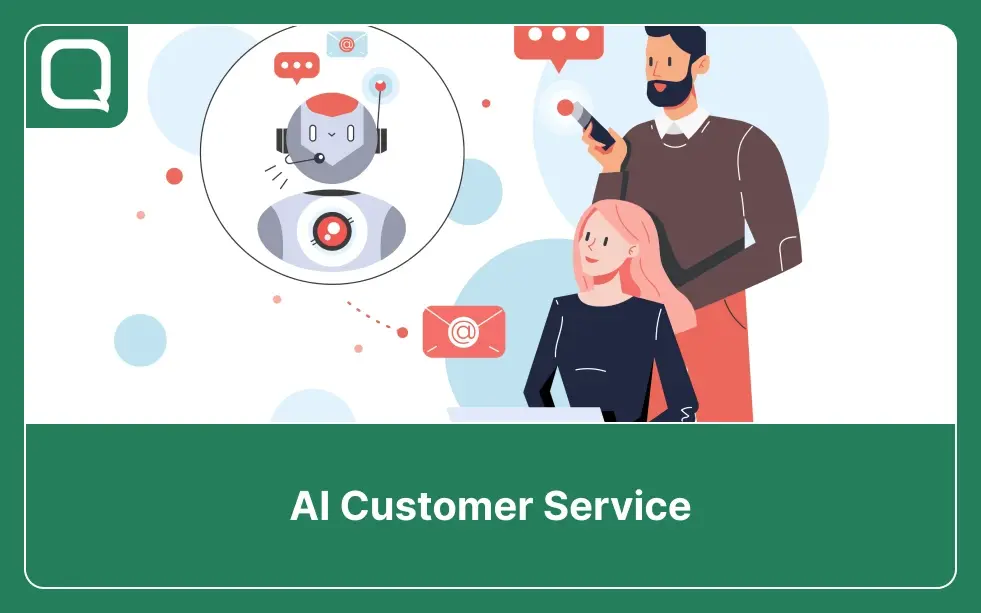
How significant is the impact of artificial intelligence (AI) on customer service? AI for customer service represents both a challenge and an opportunity in your support strategy. As a customer service manager, you must understand the concept of AI in customer service to unlock benefits and minimise risks.
This article will guide you through AI customer service — not just the concept, but also the obstacles and the benefits you will gain.
What Is AI Customer Service?
AI customer service refers to the use of artificial intelligence to enhance and automate customer support and engagement. Rather than simply replacing agents, AI augments their work — providing instant assistance, analysing sentiment, and learning from every interaction.
In practical terms, AI customer service includes:
- AI Chatbots – Virtual assistants that manage repetitive inquiries instantly and around the clock.
- AI-Powered Sentiment Analysis – Understanding customer emotions through natural language processing (NLP).
- Machine Learning for Personalization – Tailoring responses and offers based on purchase history and behaviour.
- AI Analytics – Turning large amounts of customer data into insight that informs strategy and operations.
In Southeast Asia’s high-volume digital markets — from e-commerce to fintech — these technologies help brands manage millions of conversations daily while maintaining a local, human tone.
Benefits of AI in Customer Service
AI customer service brings automation and data-driven insights to customer support, ultimately improving agent productivity. Here are the key benefits when you implement AI in customer service.
1. Drive Efficiency and Productivity
AI automates repetitive work, such as answering FAQs and routing tickets. For Malaysian and regional service teams handling multilingual requests and peak-season traffic, this means fewer bottlenecks and faster resolutions.
AI operates 24/7 — ideal for mobile-first economies like Malaysia, Indonesia, and the Philippines, where customers expect real-time responses even outside business hours.
2. Deliver Hyper-Personalized Experiences
AI helps brands go beyond “mass messaging.” By analysing past interactions, purchases, and preferences, AI enables personalization at scale — whether it’s offering relevant discounts or proactive support reminders.
In Southeast Asia, where customers often switch between channels like WhatsApp and Instagram, this level of personalization builds trust and repeat business.
3. Turn Data into Intelligence
AI makes sense of massive datasets — identifying customer trends, detecting friction points, and predicting future needs. For example, Qiscus AI can analyse recurring chat patterns to reveal the most common pain points — helping managers make informed decisions faster.
This turns service data into an early-warning system for churn, product issues, or missed opportunities.
4. Ensure Consistency Across All Channels
Southeast Asian customers use multiple platforms — WhatsApp, Facebook, email, and live chat — often in different languages. With Qiscus Omnichannel Chat, AI ensures every interaction is connected and contextual, so customers never have to repeat their story.
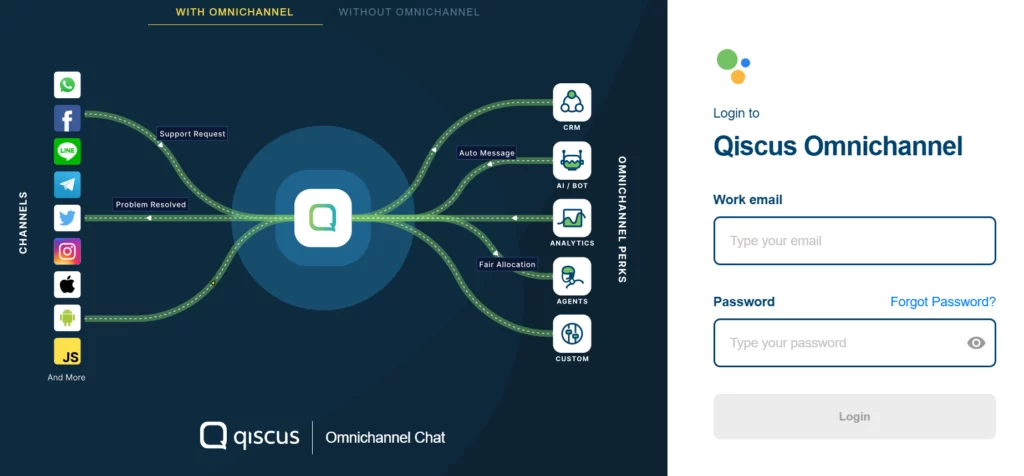
Whether the customer starts on WhatsApp or continues via email, your team always has the full history and insight needed to respond seamlessly.
5. Respond Faster, Without Losing the Human Touch
Speed is vital — but empathy wins loyalty. Using Qiscus AgentLabs, AI Agents handle repetitive requests instantly while human agents step in for complex cases.
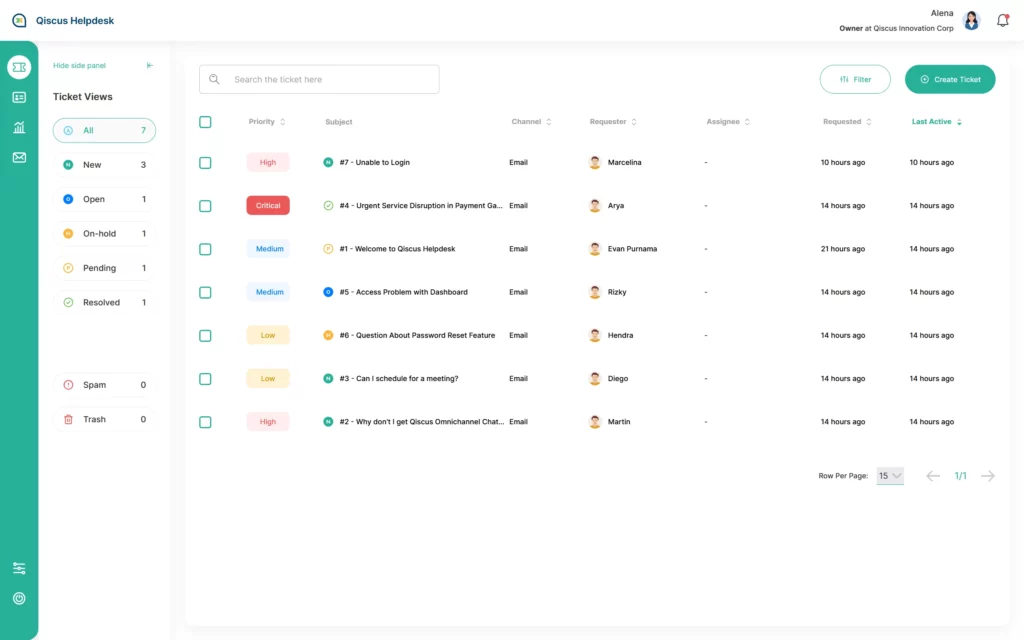
Meanwhile, Qiscus Helpdesk integrates ticket automation and escalation, ensuring urgent cases are prioritised and routed to the right expert. The result: faster resolutions and a consistent brand voice.
6. Reduce Operational Costs
AI allows businesses to handle scale without growing headcount. A single AI chatbot can manage thousands of conversations simultaneously, reducing staffing costs while maintaining service quality.
For Southeast Asian SMEs and enterprises alike, this efficiency is key to sustainable growth — especially in markets where cost sensitivity is high and hiring skilled agents can be challenging.
7. Improve Interaction Quality with Sentiment Analysis
AI can understand tone and emotion in conversations using sentiment analysis. By identifying whether a customer is frustrated, satisfied, or uncertain, your team can tailor responses appropriately.
For example, if AI flags a customer as angry, the system can automatically escalate the chat to an experienced agent trained in handling emotional interactions — ensuring more positive outcomes.
8. Empower Self-Service Experiences
Southeast Asian consumers increasingly prefer self-help options, especially on mobile. AI enables smart FAQs, voice-based help, and guided troubleshooting — allowing customers to resolve issues instantly. This reduces inbound traffic while improving convenience — a win-win for both efficiency and experience.
9. Monitoring Service Performance with AI Analytics
AI helps businesses measure and improve service performance by analysing metrics such as average response time, customer satisfaction, and resolution rate. With actionable insights, management can identify areas for improvement and make data-driven decisions to enhance service quality.
10. Enhance Data Security and Trust
Data privacy and security are major concerns across Southeast Asia. AI strengthens defences through automated anomaly detection and fraud alerts, protecting both business and customer information. By combining AI-driven risk monitoring with encrypted messaging via the WhatsApp Business API (blue-tick verified), businesses demonstrate credibility and compliance.
Challenges and How to Overcome AI Service Barriers
Despite the benefits, businesses must navigate several challenges when implementing AI in customer service:
1. Misunderstanding Customer Context
One major challenge arises from AI failing to grasp customer context properly — chatbots may respond irrelevant due to limited natural language processing (NLP) capabilities. To overcome this, adopt advanced NLP models trained on richer contextual data, and implement continuous machine-learning training to improve accuracy.
2. Data Privacy and Security Issues
AI-powered customer service often involves processing large volumes of customer data, posing risks of data breaches and privacy violations. You must comply with regulations and implement encryption, multi-factor authentication, and AI-based threat detection to secure customer information.
3. Lack of Human Touch
Although AI handles many tasks efficiently, some customers prefer human interaction — especially for complex or emotional situations.
The solution: Combine AI with human agents. Use AI Agent for basic tasks and escalate to humans when needed. Transparency about AI usage and providing human alternatives builds customer trust.
4. Integration Complexity
Many businesses struggle to integrate AI tools with existing systems like CRM or omnichannel platforms. Choose flexible, API-friendly solutions and plan your implementation carefully — with technical support to ensure smooth integration and minimal disruption.
5. Customer Trust in AI
Some customers may doubt or feel uncomfortable interacting with AI — especially if responses seem robotic or inadequate. Build trust by being transparent about AI usage and ensuring customers can always opt to speak with a human. Educate them on how AI enhances their experience and value.
Future Trends in AI Customer Service
For customer service managers, staying ahead means embracing emerging AI trends:
- Generative AI for More Natural Interaction — Chatbots and virtual assistants will simulate more human-like conversations, enhancing customer comfort.
- Smarter Automation with Adaptive AI — AI systems will continuously learn from interactions to improve answer accuracy and shorten resolution times.
- Multimodal AI across Text, Voice & Image — AI will handle inputs like images or voice messages, making self-serve even easier and more versatile.
- Proactive & Predictive AI Support — AI will anticipate needs, detect potential churn, and initiate outreach before issues escalate.
Ready to Transform Your Customer Service with AI?
Implementing AI in customer service is no longer an option — it’s a necessity for businesses serious about improving efficiency, personalization, and customer satisfaction.
With the right strategy and tools — such as Qiscus Omnichannel Chat, Qiscus AI, and Qiscus Helpdesk integrated with the WhatsApp Business API — you can elevate your service ecosystem to meet today’s customer expectations.
Let Qiscus guide you in deploying AI that scales, integrates, and delivers measurable results.