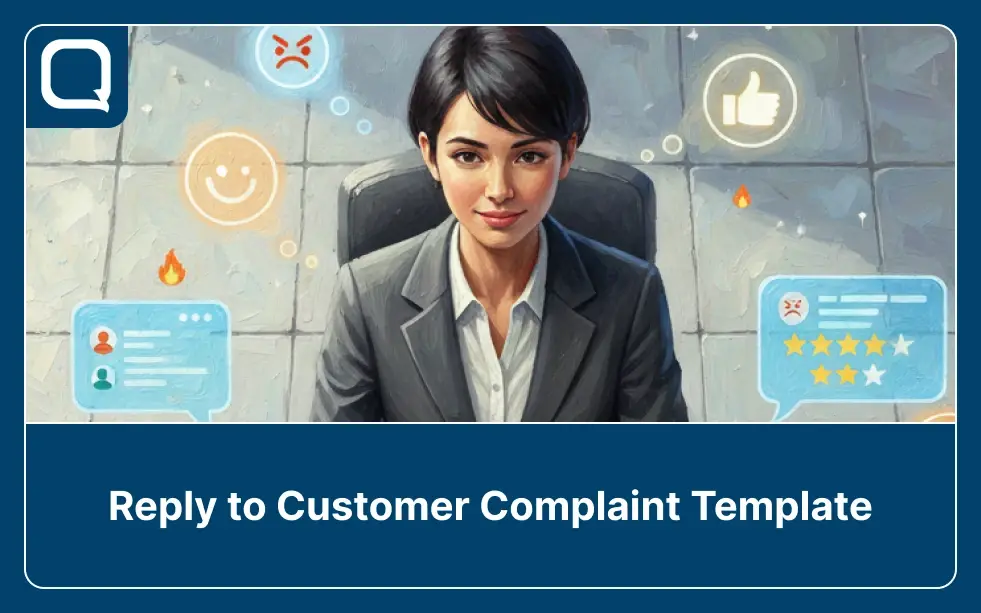
Reply to customer complaint correctly is not only about delivering information. It is about building trust, strengthening relationships, and ensuring long-term customer satisfaction. In today’s highly competitive business environment, even small communication mistakes can lead to significant losses.
This article explains 12 proven ways to reply to customer complaints professionally, supported by real customer complaint response templates, practical use cases, and enterprise best practices used by companies in the US and Southeast Asia (Malaysia, Philippines, and Singapore).
Why Is It Important to Reply to Customer Complaints Correctly?
Handling customer complaints correctly is a core responsibility of customer service teams and a critical pillar of successful customer complaint management strategies. One direct benefit of professional complaint handling is a lower customer churn rate.
On the other hand, inaccurate or poorly structured responses can quickly push customers away. Here are the key business impacts:
1. Reducing Customer Acquisition Costs
Retaining existing customers is significantly more cost-effective than acquiring new ones. By using the right customer complaint response templates, businesses can maintain loyalty over the long term.
2. Improving Brand Image
Clear, polite, and empathetic communication is a fundamental customer service skill that shapes brand perception. In the US and Singapore, where customers expect fast and professional replies across email and live chat, communication quality directly affects brand trust.
3. Increasing Business Revenue
Although sales and marketing teams focus on acquisition, customer service plays a major role in upselling and cross-selling. Accurate and empathetic complaint handling allows agents to recommend relevant solutions without appearing aggressive, an approach widely used by e-commerce and SaaS companies in the US and Southeast Asia.
By responding with clarity, empathy, and consistency, customer service teams can turn dissatisfaction into loyalty, protect brand reputation, and support long-term revenue growth. In a landscape where customers have many alternatives, the way complaints are handled often determines whether they stay or leave.
How to Reply to Customer Complaints Correctly
Professional complaint handling starts with empathy and active listening. Understanding the customer’s emotional state helps agents provide solutions that meet expectations.
Below are 12 practical ways to reply to customer complaints correctly, based on real operational practices.
1. Listen Carefully Before Responding
Listening is the first step toward delivering the right response. Customers are sharing problems and they are expressing expectations.
In enterprise environments, such as US-based retail companies and Philippine BPO operations, agents are trained to read the full message, avoid interruptions, and summarize the issue internally before replying.
Best practice:
Never rush to respond before fully understanding the complaint context.
2. Respond Quickly, but Accurately
Speed matters. Customers expect fast replies, especially on live chat, social media, and WhatsApp.
Leading companies in the US and Singapore track:
- First Response Time (FRT)
- First Contact Resolution (FCR)
However, speed must never compromise accuracy.
3. Use Clear and Simple Language
Customers come from diverse backgrounds. Avoid technical jargon unless the customer clearly understands it.
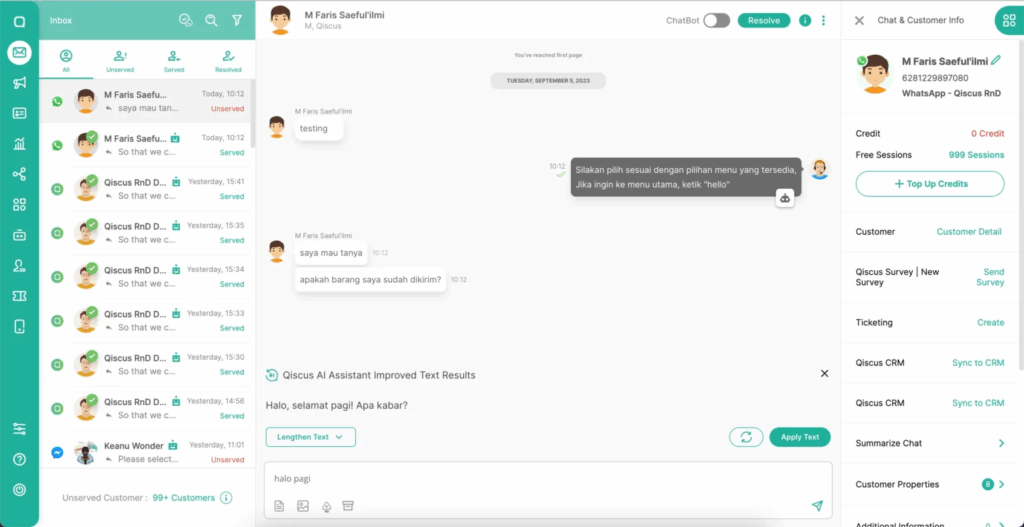
US and Singaporean enterprises often enforce plain-language policies for customer service emails and chat responses to minimize misunderstanding.
Enterprise tip:
Use short sentences and explain solutions step by step
4. Show Empathy First (Empathy-First Tone)
Empathy is a core principle of professional complaint handling.
Commonly used complaint reply template:
“We understand how frustrating this situation must be, and we sincerely apologize for the inconvenience caused. Let us help resolve this as quickly as possible.”
This structure → acknowledge + apologize + reassure, this is widely recommended by customer experience teams across the world, especially in the US, Malaysia, and the Philippines.
5. Provide Accurate and Verified Information
Incorrect information damages credibility. Agents should always verify details using internal systems before replying.
Channel context:
- Email customer service → detailed explanations
- Live chat / WhatsApp → concise, step-by-step guidance
- Social media → acknowledgment + private escalation
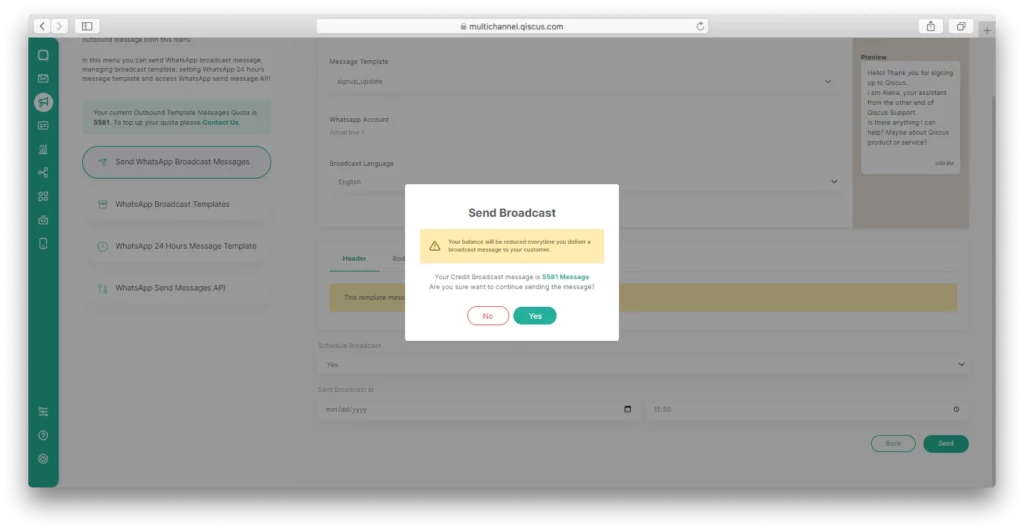
Proactive companies also publish FAQs and send educational content via official WhatsApp Broadcast to reduce repetitive complaints.
6. Offer a Relevant and Actionable Solution
Customers want solutions and not excuses.
Professional complaint response best practice:
- Explain what will happen next
- Set clear expectations
- Mention timelines or SLAs
Example:
“We will process your return within 3 business days after receiving the item.”
7. Support Your Response with Data and Proof
Replies backed by facts are more convincing than opinions.
Many companies include:
- Previous case references
- Policy excerpts
- Customer testimonials or case studies
This approach is common in financial services and SaaS companies in the US and Singapore.
8. Stay Calm in Difficult Situations
Angry customers are unavoidable. Professional agents remain calm, respectful, and solution-focused.
In the Philippines, as one of the world’s largest customer service hubs, agents are trained in emotional regulation techniques to handle escalations professionally.
9. Follow Up Until the Issue Is Resolved
Following up builds trust.
Using ticketing systems, such as enterprise helpdesk tools, ensures:
- No complaint is forgotten
- Customers receive status updates
- Resolution is documented
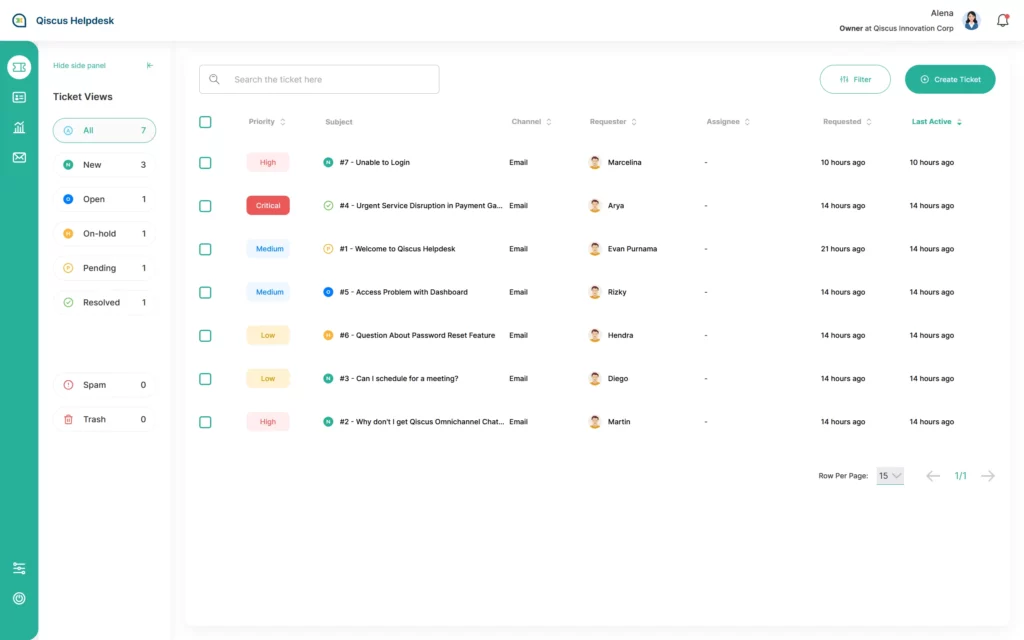
This transparency is now an expected standard in 2025–2026.
10. Ensure the Conversation Ends with the Agent
A professional interaction should never end with the customer’s last message.
Best practice:
- Confirm resolution
- Thank the customer
- Ask if additional help is needed
This approach is consistently used in email and live chat complaint handling.
11. Avoid Saying “I Don’t Know”
“I don’t know” signals incompetence.
Instead, use:
“Let me check this with our team and get back to you shortly.”
Always follow up with updated information.
12. Continuously Evaluate and Improve Complaint Responses
Use customer feedback, CSAT surveys, and interaction analytics to improve reply quality.
With customer data platforms (CDPs), companies analyze:
- Repeated complaint themes
- Response effectiveness
- Sentiment trends
This creates a culture of continuous improvement.
As customer expectations continue to rise, especially across digital and messaging channels, businesses that invest in structured complaint-handling practices will stand out. The goal is not just to resolve issues, but to leave customers feeling heard, respected, and confident that your company takes responsibility at every step.
Customer Complaint Reply Templates (Real Examples)
Below are professional customer complaint reply examples used across industries:
1. Product Information Complaint Response Template
EN (English):
“Thank you for reaching out. This product includes features such as [features], designed to help you [key benefit]. Please let us know if you need further clarification.”
TL (Tagalog):
“Salamat sa pakikipag-ugnayan sa amin. Ang produktong ito ay may mga tampok tulad ng [features] na idinisenyo upang makatulong sa [key benefit]. Ipaalam lang po kung kailangan ninyo ng karagdagang paliwanag.”
2. Technical Issue Complaint Response (Email / Live Chat)
EN (English):
“We sincerely apologize for the inconvenience. Your issue has been logged, and our technical team is working on a solution. We will update you within 24 hours.”
TL (Tagalog):
“Taos-puso po kaming humihingi ng paumanhin sa abalang dulot nito. Nairehistro na ang inyong concern, at kasalukuyang inaasikaso ito ng aming technical team. Magbibigay po kami ng update sa loob ng 24 oras.”
3. Return or Refund Complaint Response Template
EN (English):
“To return the item, please complete the form on our website and send the product to the listed address. Once received, we will process your refund promptly.”
TL (Tagalog):
“Upang maibalik ang produkto, pakikumpleto po ang form sa aming website at ipadala ang item sa nakasaad na address. Kapag natanggap na namin ito, agad naming ipoproseso ang inyong refund.”
4. Angry Customer Complaint Response Example
EN (English):
“We truly understand your frustration and apologize for the inconvenience caused. Please allow us to take responsibility and resolve this issue immediately.”
TL (Tagalog):
“Nauunawaan po namin ang inyong pagkadismaya at humihingi kami ng paumanhin sa abalang aming naidulot. Hayaan ninyo po kaming akuin ang responsibilidad at ayusin agad ang isyung ito.”
5. Closing a Complaint Conversation Professionally
EN (English):
“Thank you for your patience. If you need further assistance, please feel free to contact us anytime. Have a great day.”
TL (Tagalog):
“Salamat po sa inyong pasensya. Kung kailangan ninyo pa ng karagdagang tulong, huwag mag-atubiling makipag-ugnayan sa amin anumang oras. Magandang araw po.”
How Qiscus Helps Teams Reply to Customer Complaints Correctly at Scale
Handling customer complaints consistently becomes more complex as businesses operate across multiple channels and higher conversation volumes. Qiscus helps customer service teams standardize, automate, and improve complaint responses without losing the human touch.
1. Centralized Omnichannel Context for Better Understanding
Qiscus Omnichannel Chat brings all customer conversations such as WhatsApp, live chat, Instagram, Facebook, and other digital channels, into a single dashboard.
This allows agents to:
- See full conversation history before responding
- Avoid asking customers to repeat their issues
- Understand context, tone, and previous resolutions
With better visibility, agents can respond more accurately and empathetically from the first message.
2. Faster First Response with AI-Powered Assistance
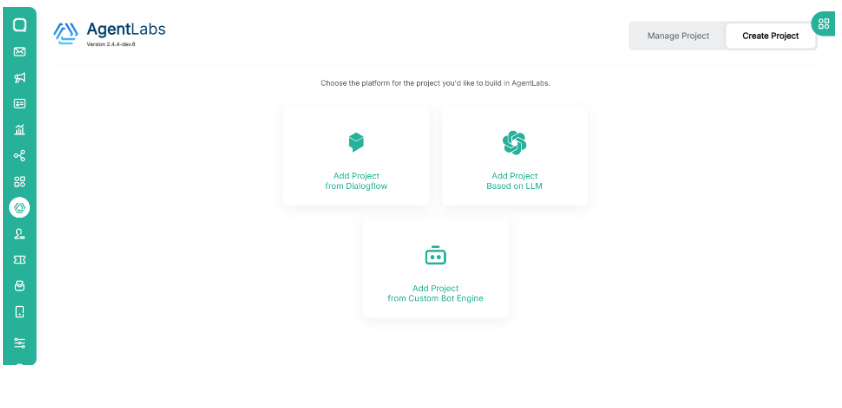
Speed is critical in complaint handling. Qiscus AgentLabs can automatically handle first-level interactions such as complaint acknowledgment, order status checks, and policy-related questions.
This ensures:
- Immediate responses to customers
- Reduced waiting time during peak hours
- Consistent reply structure aligned with service standards
More complex or sensitive complaints are escalated seamlessly to human agents with full context intact.
3. Consistent, Empathy-First Replies Across Teams
Maintaining tone and quality across large teams is difficult. Qiscus Agent Copilot supports agents with AI-assisted reply suggestions, intent detection, and conversation summaries.
These features help agents:
- Follow approved empathy-first response frameworks
- Reduce wording mistakes and misinformation
- Stay calm and structured during difficult interactions
As a result, customer communication remains professional and on-brand across all channels.
4. Structured Complaint Tracking and Resolution
With Qiscus Helpdesk, every complaint is automatically converted into a ticket and tracked until resolution.
This enables teams to:
- Monitor SLA compliance
- Provide clear status updates to customers
- Ensure no complaint is lost or unresolved
This level of transparency is increasingly expected in enterprise customer service operations.
5. Scalable Complaint Handling Without Sacrificing Quality
By combining AI automation with human-in-the-loop control, Qiscus helps organizations scale complaint handling while maintaining response quality.
Businesses can:
- Reduce agent workload
- Improve First Response Time (FRT) and Resolution Rate
- Deliver consistent customer experiences at scale
This balance between automation and human judgment is essential for modern, messaging-first customer service.
Start Delivering Better Complaint Responses Today
By applying these 12 professional complaint-handling strategies, businesses can reduce communication errors, protect brand reputation, and strengthen customer trust.
Modern enterprises no longer rely on manual responses alone. With omnichannel customer service platforms, AI Agents, and official messaging APIs, companies can deliver fast, empathetic, and consistent complaint responses across email, live chat, social media, and WhatsApp.
Ready to turn customer complaints into trust-building moments?
Explore how Qiscus helps customer service teams respond smarter, resolve faster, and stay in control of every conversation. Hit us up!