Customer engagement today is no longer driven by campaigns alone. It is shaped every day by how well your customer service operations perform behind the scenes.
Yet many organizations still struggle to engage customers at scale. Support teams are overwhelmed during promotions and festive seasons. Responses become inconsistent. Agents burn out. Customers disengage silently or worse, complain publicly.
The root cause is the absence of strong customer service operations (CS Ops). This article breaks down how modern businesses engage customers by building scalable, AI-powered customer service operations, using real best practices from leading organizations, adapted for SEA markets (Malaysia, Philippines, Singapore) with supporting global context.
What Customer Service Operations Really Mean
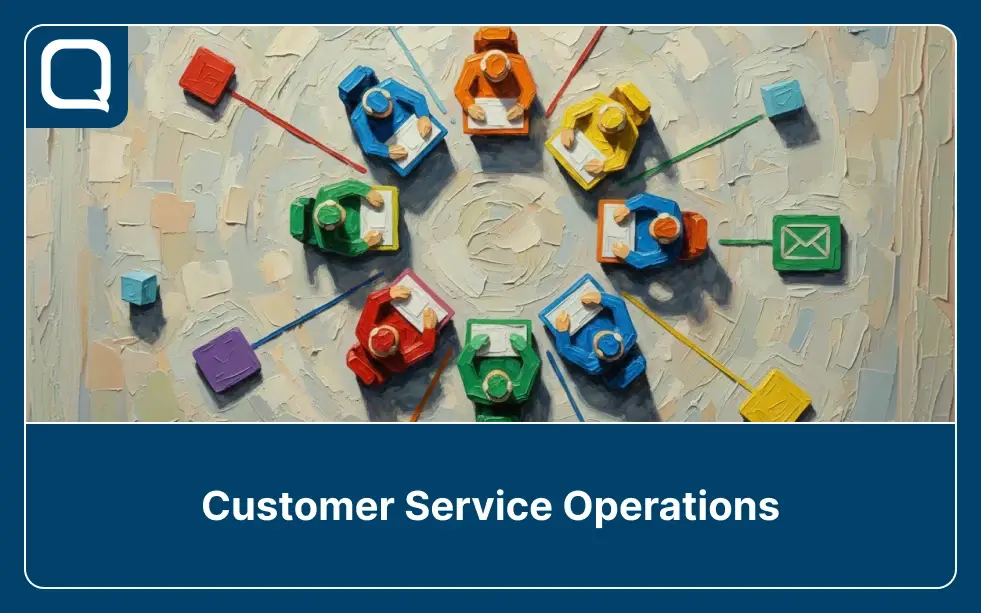
Customer service operations (CS Ops) refer to the systems, processes, metrics, and enablement frameworks that allow support teams to deliver high-quality service, regardless of volume, channel, or geography.
Below is what modern CS Ops look like in practice.
1. AI + Human Hybrid Service Models
Modern operations combine automation with human expertise. AI handles repetitive, high-volume tasks such as FAQs, order tracking, and simple troubleshooting, while human agents focus on complex, emotional, or high-value cases.
This hybrid model:
- Reduces agent workload and burnout
- Improves response times during peak demand
- Ensures customers still receive empathetic human support when it matters
2. Standardized Workflows and Playbooks
Consistency is impossible without structure. Standardized workflows define how tickets are received, categorized, prioritized, escalated, and resolved.
Playbooks ensure that:
- Similar issues receive similar handling
- New agents ramp up faster
- Service quality remains stable across shifts and regions
This removes guesswork and reduces service variability that customers often notice.
3. SLA, CSAT, FCR, and AHT Governance
Customer service metrics are a guide to operational decisions.
- SLA ensures response and resolution commitments are met
- CSAT measures customer satisfaction after interactions
- FCR indicates how often issues are resolved on first contact
- AHT helps balance speed with service quality
Effective CS Ops continuously monitor these metrics and adjust staffing, workflows, or automation accordingly.
4. Knowledge Base Management
A centralized and well-maintained knowledge base is a critical operational asset. It allows:
- Agents to give accurate and consistent answers
- Faster resolution times
- Customers to self-serve for simple issues
When knowledge is outdated or scattered, both agents and customers experience friction.
5. Voice of Customer (VoC) Feedback Loops
Modern CS Ops operationalize feedback. VoC data from CSAT, NPS, reviews, and chat transcripts is used to:
- Identify recurring pain points
- Improve products and policies
- Refine service workflows
When feedback loops are active, customer service becomes a strategic input.
6. Operations Remove Friction
Companies like Amazon, Shopify, Grab, and HubSpot don’t outperform in customer engagement because their agents are simply friendlier.
They win because:
- Customers don’t have to repeat themselves
- Issues are routed correctly the first time
Answers are fast, accurate, and consistent - Agents are empowered, not overwhelmed
Customer service operations define customer experience outcomes. Friendly agents matter, but without strong systems, workflows, and governance, engagement will always break under pressure. The most successful organizations invest in CS Ops not to sound better, but to work better.
When Customer Engagement Breaks Under Operational Pressure
Customer engagement fails when service operations can’t keep up with real customer demand. In Southeast Asia, this challenge is amplified by unique market behaviors and fast-growing digital adoption.
1. WhatsApp-First Customer Behavior
In many SEA markets, WhatsApp is the primary customer service channel, not email or web forms. Customers expect fast, conversational replies similar to chatting with a friend. When response times are slow or messages are missed, engagement drops quickly because customers see silence as neglect.
2. High Social Media Usage for Complaints and Inquiries
Customers in SEA frequently use social media to raise issues publicly. Delayed or inconsistent responses impact brand perception in front of a wider audience. Poor handling on these channels often escalates frustration and damages trust.
3. Sudden Demand Spikes During Campaigns and Peak Seasons
Events like 11.11, Ramadan, Harbolnas, and payday sales can multiply inbound messages overnight. Without scalable workflows or automation, teams struggle to keep up, leading to long queues, missed SLAs, and rushed responses that weaken engagement.
4. Multilingual and Multicultural Conversations
Serving customers across English, Bahasa, Tagalog, Mandarin, and local dialects adds complexity. Without proper routing, templates, or AI assistance, agents rely on guesswork. This increases inconsistency and makes customers feel misunderstood or undervalued.
5. Inconsistent Service Standards Across Agents and Channels
When teams are overwhelmed, agents improvise. Different answers to the same question create confusion and frustration, weakening confidence in the brand.
As volume increases, response times stretch beyond acceptable limits. Missed SLAs signal unreliability, even if the intent is there. Customers interpret delays as a lack of respect for their time.
7. Customers Forced to Repeat Themselves
Disconnected systems cause conversation history to be lost across channels. Repeating the same issue feels exhausting for customers and reinforces the impression that the business isn’t listening.
8. Trust Erodes Quietly but Quickly
According to a report in 2024, over 70% of customers disengage after just one poor service experience, even if the product itself is strong. Most don’t complain; they simply stop engaging.
Customer engagement is the result of well-designed service operations. When systems, workflows, and capacity fail to scale with demand, engagement breaks down. In high-velocity SEA markets, operational readiness is what ultimately determines whether customers stay, trust, or quietly leave.
Customer Service Operations Best Practices
Below are practical, execution-focused best practices drawn from real enterprise implementations, analyst insights (Gartner, HBR), and CX leaders.
1. Build a Dedicated Customer Service Operations (CS Ops) Function
Many teams expect frontline agents or team leads to “figure out operations” while handling tickets. Companies operate with a dedicated CS Ops function responsible for tooling, workflows, analytics, and continuous improvement.
Agents focus on customers, while CS Ops ensures systems support consistent, fast, and accurate responses.
Qiscus centralizes dashboards, and performance tracking so CS Ops teams can manage operations without disrupting frontline agents.
2. Standardize Customer Service Playbooks and Workflows
Inconsistent answers across agents damage trust, especially on public channels like social media. According to HBR (2024), high-performing service teams rely on playbooks, not improvisation, especially during crisis or peak periods.
Operational execution:
- Defined response flows
- Escalation rules
- Channel-specific guidelines
3. Adopt an AI + Human Hybrid Customer Service Model
Human-only support doesn’t scale during peak demand. AI-only support breaks trust. Businesses like Amazon and Grab use AI to handle repetitive inquiries while humans manage complex, emotional, or high-value cases.
Operational impact:
- Lower ticket volume
- Faster first response time
- Better agent focus
Qiscus AgentLabs handles first-level inquiries 24/7, while Qiscus Agent Copilot assists human agents with summaries and reply suggestions.
5. Centralize Omnichannel Conversations into One System
Agents switching between WhatsApp, Instagram, email, and live chat lose context and speed. SEA fintech and telco companies centralize messaging to reduce handling time and customer repetition.
Operational benefit:
- Faster resolution
- Fewer escalations
- Better continuity
Qiscus unifies all channels into a single dashboard with complete conversation history.
6. Use Proactive Support Across the Customer Lifecycle
Most support is reactive. US SaaS leaders proactively engage customers during onboarding, renewals, and high-risk moments.
Operational execution:
- Trigger-based messages
- Follow-ups after resolution
Qiscus supports automated outbound messages based on lifecycle events.
7. Close the Loop with Voice of Customer (VoC)
Feedback is collected but ignored. Many modern businesses feed VoC insights back into product and ops decisions.
Operational benefit:
- Reduced repeat issues
- Better CX alignment
Qiscus Survey helps teams gather and analyze feedback and identify recurring pain points.
How Qiscus Supports Scalable Customer Engagement in Malaysia and Singapore
Customer service operations in Southeast Asia must adapt to different engagement patterns across markets. While the foundational principles of CS Ops remain the same, execution in Malaysia and Singapore requires distinct operational emphasis.
1. High-Volume, Conversation-First Engagement
In Malaysia, customer engagement is driven primarily by WhatsApp-first communication and high volumes of inbound inquiries during campaigns, promotions, and festive seasons. Customers expect fast, informal, and continuous conversations rather than ticket-based interactions.
Qiscus supports this environment by enabling:
- Centralized WhatsApp and messaging channels in a single dashboard, so agents don’t miss or duplicate responses
- AI-powered first-level automation through Qiscus AgentLabs to handle FAQs, order status, and repetitive inquiries during peak traffic
- Conversation history persistence, ensuring customers are never asked to repeat themselves even when agents or shifts change
This allows the teams to scale engagement without increasing headcount, while maintaining consistent response quality during demand spikes.
2. Evaluation-Driven, Experience-Focused Engagement
Singapore customers display more evaluation and decision-oriented behavior. They expect accurate, structured responses and seamless transitions between channels when researching, comparing, or resolving issues.
For this market, Qiscus enables:
- Unified omnichannel conversations, combining WhatsApp, email, live chat, and social media into one operational view
- Agent Copilot assistance, helping agents respond faster with summaries, suggested replies, and relevant context
- Performance visibility and SLA governance, supporting tighter response expectations and service accountability
These capabilities help the teams deliver clarity, speed, and consistency, key factors influencing trust and purchase decisions.
Building conversational customer service systems internally is complex and costly. Qiscus allows businesses to operationalize conversational engagement without heavy engineering effort. Rather than replacing human agents, Qiscus strengthens them, removing friction, improving focus, and protecting service quality.
The Real Foundation of Customer Engagement Is Customer Service Operations
Engaging customers consistently requires more than friendly agents. It requires customer service operations that scale with demand, protect agents, and respect customer time.
Organizations that invest in AI-powered, human-centered CS Ops don’t just resolve tickets faster. They build trust, loyalty, and long-term growth.
With Qiscus, businesses in Southeast Asia can operationalize engagement through centralized conversations, AI assistance, standardized workflows, and real-time performance visibility. Give us a call today!