Ignoring a customer touchpoint is the same as ignoring customer interaction. For a customer service manager, that means neglecting a core responsibility. A customer touchpoint is a critical concept that customer service leaders must understand and manage carefully to maintain meaningful engagement with customers.
Communication breakdowns, failed new customer acquisition, and weakened customer relationships are real risks when touchpoints are not managed properly. This article explores the definition of customer touchpoint, provides concrete examples, explains why touchpoints are vital for businesses, emphasizes the importance of personalization, and offers practical guidance on how to optimize them.
What is a Customer Touchpoint?
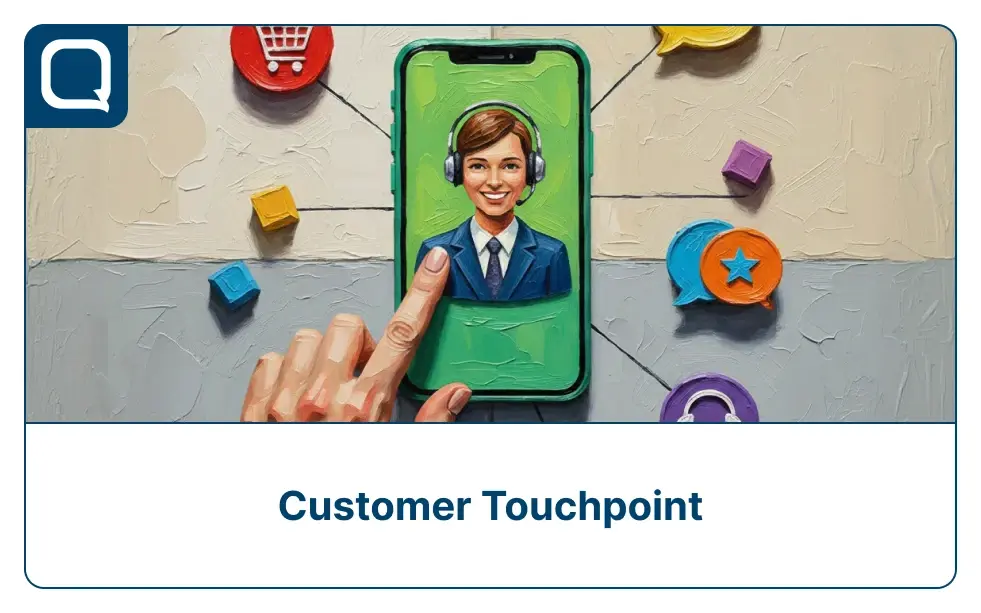
A customer touchpoint is any interaction point between a customer and your brand, whether direct or indirect, throughout their journey of discovering, purchasing, using, and providing feedback on your product or service.
Each interaction is not merely an operational activity, but a key moment that gradually shapes customer perception.
Every stage in a customer touchpoint journey presents an opportunity to create a positive impression and build trust. If one touchpoint disappoints, for example, slow response from support teams or confusing website navigation, the overall customer experience can suffer and potentially damage existing loyalty.
This is why comprehensive understanding and strategic management of customer touchpoints are crucial, especially in fast-paced and highly competitive digital environment.
In Southeast Asia (Malaysia, the Philippines, and Singapore), where customers are highly active on messaging platforms such as WhatsApp and social media, touchpoints often occur in real-time conversational channels. Meanwhile, in the US, touchpoints are increasingly integrated across omnichannel ecosystems that combine web, email, messaging, and AI-driven interactions.
Examples of Customer Touchpoints
Customer touchpoints are generally categorized into three major phases of the customer journey: before, during, and after purchase.
1. Before Purchase
The pre-purchase stage is where first impressions are formed and expectations begin to take shape. Small friction at this point can quietly reduce conversion rates before customers even reach checkout.
Common touchpoints:
- Digital ads (Google Ads, Instagram, TikTok)
- Marketplace product reviews
- Website or landing page
- Chatbot answering initial inquiries
These are often the first moments customers encounter your brand. Experience at this stage heavily influences whether they proceed to purchase. Professional design, accessible information, and fast initial responses are key factors.
In SEA markets, social media and messaging-based inquiries are often the first customer touchpoints, particularly in Malaysia and the Philippines, where conversational commerce is growing rapidly.
2. During Purchase
This is the decisive moment where intent turns into revenue. Even minor friction at this stage can immediately impact conversion and brand perception.
Common touchpoints:
- Checkout process
- Live chat or live agent interaction
- Email/SMS transaction confirmation
This stage involves sensitive interactions because customers have already made a purchase decision. Technical errors or slow responses can break trust and cause transaction abandonment.
AI agents can streamline this process by offering real-time assistance and reducing friction. In Singapore’s highly digitalized retail environment, seamless checkout experiences significantly impact conversion rates.
3. After Purchase
The relationship doesn’t end once the transaction is complete. In fact, this is where long-term value is either strengthened or lost.
Common touchpoints:
- Email and WhatsApp follow-up
Customer satisfaction surveys - After-sales service
- Loyalty or referral programs
This phase offers a major opportunity to strengthen customer relationships—yet many businesses overlook it.
Responsive feedback handling, relevant loyalty programs, and efficient after-sales support drive retention. In both SEA and the US, post-purchase engagement directly influences long-term metrics such as repeat purchase rate and advocacy.
Why Customer Touchpoints Matter for Businesses
Customer experience is shaped across dozens of moments throughout the customer journey. Every website visit, social media reply, support conversation, or post-purchase message contributes to how customers perceive and evaluate a brand. Understanding and managing each customer touchpoint strategically is essential for building strong relationships and driving sustainable growth.
1. Shaping Brand Perception
Consistency in messaging, tone of voice, visuals, and service quality across all touchpoints shapes overall brand perception. When customers repeatedly experience clarity and reliability, trust strengthens. Fragmented or inconsistent interactions, on the other hand, quickly damage credibility.
2. Influencing Purchase Decisions
Each touchpoint guides customers through the buying process. Clear website information, responsive sales interactions, positive reviews, and even packaging all influence decisions. When managed effectively, touchpoints reduce hesitation, reinforce value propositions, and shorten sales cycles.
3. Strengthening Relationships and Loyalty
Customers who feel heard and understood at every stage are more likely to form emotional connections with a brand. Loyalty goes beyond repeat purchases, it leads to advocacy. In competitive markets like Malaysia, the Philippines, and Singapore, customer experience often becomes the key differentiator.
4. Making Feedback Collection Easier
Touchpoints are natural listening channels. Surveys via messaging apps, website feedback forms, and sentiment analysis tools allow businesses to capture real-time insights. These insights highlight strengths, uncover gaps, and guide continuous improvement.
5. Increasing Customer Satisfaction
Smooth, responsive, and helpful interactions create a cumulative effect. Each positive touchpoint reinforces satisfaction, building long-term trust and reducing churn risk.
6. Identifying Areas for Improvement
Friction points such as abandoned checkouts, repeated complaints, or slow responses is a signal of operational weaknesses. By analyzing performance at each touchpoint, businesses can pinpoint inefficiencies and optimize processes systematically.
When businesses treat touchpoints as isolated interactions, opportunities are missed. But when every touchpoint is managed intentionally, they form a cohesive experience that drives satisfaction, loyalty, and growth. Business success depends on being consistently valuable at every stage of the journey.
How to Optimize Customer Touchpoints
Creating exceptional customer experiences requires structure, visibility, and the right technology. Optimizing customer touchpoints means ensuring that every interaction is consistent, responsive, and aligned with customer expectations. Businesses that manage touchpoints strategically can reduce friction, improve satisfaction, and strengthen long-term loyalty.
1. Map the Entire Customer Journey
The first step is identifying all possible touchpoints. Visualizing the journey helps uncover gaps and friction points. In omnichannel markets like Singapore and the US, mapping both digital and conversational touchpoints ensures a seamless experience across platforms.
2. Analyze Each Touchpoint
Evaluate the quality of every interaction: Are customers getting clear information? How fast are responses? Are issues resolved effectively? With analytics tools, businesses can monitor performance across channels, track response times, and identify recurring customer concerns in real time.
3. Maintain Consistent Tone of Voice
Every touchpoint, whether managed by AI or human agents, should reflect consistent messaging, tone, and brand identity. Consistency strengthens recognition and builds trust over time.
4. Optimize Mobile Experience
In Southeast Asia, mobile communication dominates. Touchpoints must be mobile-responsive and messaging-friendly. Solutions like WhatsApp Business API enable businesses to engage customers through apps they already use daily, particularly in Malaysia and the Philippines where mobile messaging is primary.
5. Measure and Iterate
Optimization is continuous. Track key metrics such as NPS, CSAT, and average response time to evaluate performance. Data-driven improvements ensure touchpoints evolve alongside customer expectations.
Optimizing customer touchpoints is an ongoing process of refinement. When businesses combine journey mapping, analytics, AI automation, and consistent communication, they create experiences that feel seamless and intentional. In competitive markets, well-optimized touchpoints are strategic advantages.
How Qiscus Helps Businesses Manage and Improve Customer Touchpoints
Managing every customer touchpoint manually across multiple channels is complex, especially in Southeast Asia, where customers actively switch between WhatsApp, Instagram, marketplaces, and websites within a single buying journey. Without a unified system, businesses risk fragmented conversations, delayed responses, and inconsistent experiences.
Qiscus provides an integrated ecosystem designed to help businesses manage, monitor, and optimize every customer touchpoint from awareness to post-purchase engagement.
1. Qiscus Omnichannel Chat: Centralizing All Touchpoints
Qiscus Omnichannel Chat consolidates conversations from WhatsApp, social media, web chat, and other messaging platforms into a single dashboard. This ensures that every customer touchpoint is tracked in one place.
For businesses in Malaysia, the Philippines, and Singapore, this centralization prevents missed inquiries and eliminates the need for customers to repeat their concerns across channels. Agents can view complete conversation history, enabling contextual and personalized responses.
2. Qiscus AI: Scaling Touchpoints with Intelligence
Qiscus AI enhances customer touchpoints by providing:
- 24/7 Instant Responses: Provide fast, accurate answers across websites, apps, and social media.
- Personalization at Scale: Use CRM-integrated data to tailor recommendations and messaging.
- Handling Routine Queries: Automate repetitive questions like order status or account checks.
- Seamless Agent Handover: Escalate complex cases to human agents without losing context.
This ensures that early-stage touchpoints (such as inquiries before purchase) receive immediate attention, while high-intent customers during checkout or post-purchase stages experience minimal friction.
3. WhatsApp Business API: Strengthening Mobile-First Engagement
With Qiscus WhatsApp Business API, businesses can optimize one of the most critical customer touchpoints in SEA.
Brands can:
- Send proactive notifications (order confirmations, delivery updates, service reminders)
- Broadcast surveys and feedback forms
- Provide secure two-way customer support
Because WhatsApp is deeply embedded in daily communication habits in Malaysia and Philippines, this channel becomes a high-impact touchpoint for both acquisition and retention.
4. Analytics and Performance Insights
Every customer touchpoint should be measurable. Qiscus provides analytics tools that allow businesses to monitor:
- Response time across channels
- Agent performance
- Frequently occurring customer issues
- Channel effectiveness
By analyzing these insights, managers can identify weak touchpoints, optimize workflows, and continuously improve customer experience strategies.
5. Customer Data Integration for Personalization
Through integration with CRM and Customer Data Platforms (CDP), Qiscus enables businesses to personalize interactions at every customer touchpoint.
Instead of generic responses, agents and AI can reference customer history, preferences, and previous interactions, creating a seamless and tailored experience.
In SEA markets, where personalization increasingly influences buying decisions, this capability directly supports customer loyalty and long-term retention.
By combining omnichannel consolidation, AI-driven automation, mobile-first engagement, and data analytics, Qiscus empowers businesses to transform fragmented customer touchpoints into a structured, measurable, and scalable experience ecosystem.
Achieve Loyalty Through Every Customer Touchpoint with Qiscus
By strategically managing every customer touchpoint, businesses not only improve satisfaction but also strengthen loyalty that directly drives growth.
Leverage Qiscus omnichannel and AI solutions to deliver consistent, fast, and personalized experiences at every interaction point. Contact Qiscus today and maximize the potential of every customer touchpoint.