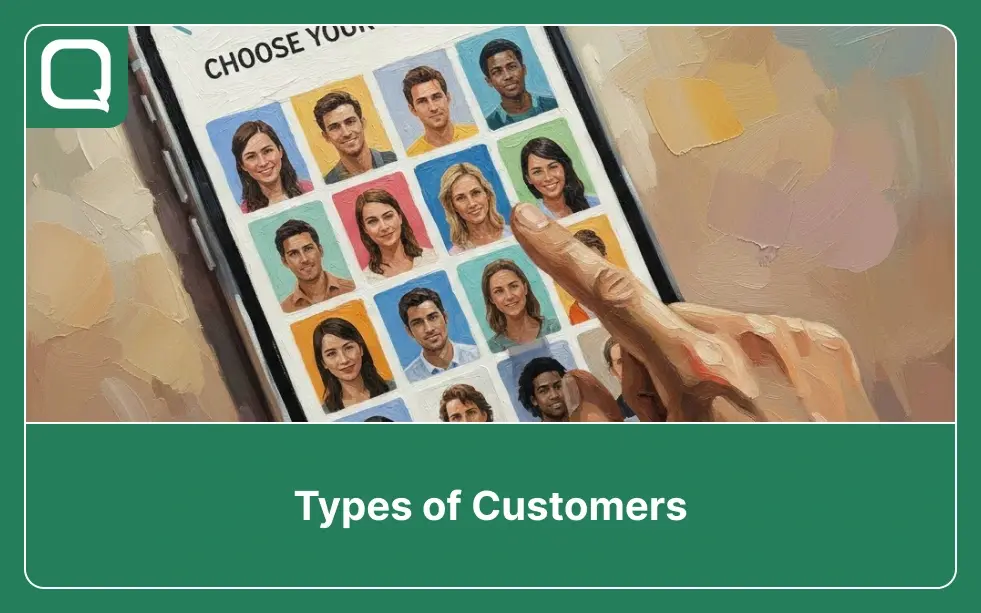
When you fail to recognize different customer types, you miss opportunities to personalize interactions, prevent churn, and build long-term loyalty. In fact, nearly 50% of customers switch to a competitor simply because they feel their needs aren’t being understood or addressed properly.
This article helps you understand the main types of customer, how to respond to them strategically, and how technology helps businesses deliver tailored experiences at scale.
Why Understanding Types of Customer Important
Many businesses fall into the trap of treating every customer the same, assuming a single approach will work for everyone. But in reality, customers vary widely in personality, intent, urgency, and communication style. When these differences are ignored, the customer experience becomes disconnected, slow, and often frustrating. Over time, this lack of personalization leads to unnecessary churn, overwhelmed agents, and missed opportunities for growth.
Here’s what happens when customer interactions aren’t tailored properly:
1. Customers Have Diverse Personalities and Expectations
Different customer types require different handling. Some browse casually, some need quick answers, some seek reassurance, and others chase promotions. Using one standard script creates mismatched communication and leaves customers feeling misunderstood.
2. One-Approach-Fits-All Creates a Poor Customer Experience
When every customer receives the same response style, personalization disappears. This often makes customers feel ignored or undervalued, especially when they’re confused, upset, or urgently seeking help.
3. Across Channel Interactions Increase Complexity
Customers contact businesses through WhatsApp, Instagram, website chat, email, and marketplace messages. Without a system to identify and categorize them, inquiries get mixed up, delayed, or even lost responsiveness and service quality.
Personalizing customer interactions is a competitive advantage. When businesses understand customer behavior, intention, and personality, they deliver responses that feel timely, relevant, and empathetic. This approach reduces churn, boosts conversion, and builds stronger customer relationships that last.
Know Your Customer Types and How to Serve Them
Understanding different customer types allows your team to adjust communication, personalize support, and provide a more meaningful experience. Every customer arrives with unique motivations, whether they’re casually browsing, urgently looking for solutions, or seeking reassurance.
By recognizing these behaviors early, you can serve them more strategically and ensure each interaction leads them closer to conversion or loyalty.
1. The Browsers (Early-Stage Researchers)
Browsers are customers who are still exploring and comparing options. They typically scroll through product pages, ask basic introductory questions, and evaluate multiple brands before deciding.
To serve them well, provide simple explanations, guide them gently through live chat, and keep the interaction friendly without pressure.
Qiscus supports this through automated welcome messages, unified knowledge base responses by AI Agent, and personalization based on browsing behavior.
2. The Bargain Seekers (Discount-Driven Buyers)
These customers make decisions primarily based on promotions, discounts, or perceived value. They frequently ask for promo codes, wait for seasonal sales, and compare prices before committing. To handle them effectively, highlight available promotions clearly, communicate the value behind each deal, and offer bundles or limited-time offers.
Qiscus enables automated promotional broadcasts via WhatsApp API, segmented campaigns based on customer tags, and personalized deals sent across channels, reducing repetitive manual work for agents.
3. The Impulsive Buyers (Emotion-Driven Shoppers)
Impulsive buyers act quickly and rely heavily on emotion when making purchases. They prefer simple buying processes, want instant answers, and respond well to urgency cues such as limited stock or ending-soon offers. Serving them effectively means removing unnecessary barriers during checkout and providing speedy responses.
With Qiscus AI, businesses can deliver instant chatbot-assisted replies, send real-time abandoned cart notifications, and share checkout links directly in chat, creating a frictionless path to conversion.
4. The Need-Based Customers (Goal-Oriented Buyers)
These customers know exactly what they want and won’t waste time. They search with specific criteria, ask detailed questions, and expect clear and immediate solutions. To satisfy them, provide structured information, offer product comparisons, and guide them step-by-step toward the best option.
Qiscus enhances this process through centralized customer history, AI-powered answer suggestions, and smart routing that connects them with the most suitable agent, ensuring interactions remain efficient and precise.
5. The Dissatisfied Customers (Emotionally Charged Users)
Dissatisfied customers arrive upset, confused, or frustrated, often using strong language and demanding quick resolution. They expect empathy, acknowledgment, and fast action from the service team. Serving them effectively requires patience, calm communication, clear solutions, and proper follow-up to ensure the issue is fully resolved.
Qiscus helps manage these sensitive moments with priority routing, SLA tracking, and case tagging features by its omnichannel, allowing teams to handle complaints with focus and consistency.
6. The Loyal Customers (Repeat Buyers & Brand Advocates)
Loyal customers are your most valuable segment, they purchase repeatedly, engage consistently, and often recommend your brand to others. They actively provide feedback and appreciate thoughtful gestures from the business. To strengthen their loyalty, give them exclusive offers, early access to new products, and personalized interactions.
Qiscus supports this through segmentation for reward programs, automated milestone messages, and personalized follow-ups across channels, enabling sustainable, long-term relationship building.
7. The Informed Customers (Highly Educated Buyers)
These customers arrive with extensive research already done. They compare technical specs, verify claims, and often challenge information to confirm accuracy. They appreciate transparency and clear evidence. Serve them through detailed product sheets, data-backed explanations, and links to documentation.
Qiscus supports this with AI Agent responses that pull from verified knowledge bases, ensuring consistent, accurate answers across all channels.
8. The Passive Customers (Low-Engagement Users)
Passive customers interact minimally. They may read messages but rarely initiate conversations or ask questions. They can be difficult to convert because they prefer to “wait and see.” The best approach is to keep communication light, informative, and non-intrusive while nudging them with relevant content.
Your goal is to nurture them slowly with relevant, low-pressure communication. Qiscus enables scheduled nurture flows, broadcast sequences, and automated check-ins to gradually warm up low-engagement users.
9. The Confused Customers (Unclear About What They Need)
This type often lacks clarity about what solution fits them. They ask scattered questions and shift directions frequently. These customers require guidance, reassurance, and simplified explanations. Offer them step-by-step recommendations and visual guides.
With Qiscus, AI Agents can detect ambiguous intents and direct users to guided flows, product quizzes, or structured FAQs.
10. The Analytical Customers (Data-Driven Decision Makers)
They rely on logic more than emotion. Analytical customers want comparisons, pricing breakdowns, ROI calculations, and long-term value propositions before purchasing. To serve them, prepare clear data points, transparent pricing, and well-structured decision guides.
Qiscus Omnichannel Chat enables teams to share calculators, brochures, and comparison charts instantly across chat channels.
11. The Indecisive Customers (Needs Extra Reassurance)
Indecisive buyers constantly revisit options, seek validation, and often request multiple opinions. They worry about making the wrong choice. Provide reassurance, highlight guarantees, and offer risk-free options.
Qiscus helps automate follow-up reminders, send trial invitations, and deliver personalized recommendations to guide them calmly toward a decision.
12. The Tech-Savvy Customers (Digital-First Users)
These customers enjoy navigating digital tools, expect self-service options, and prefer fast, efficient interactions with minimal human involvement. Offer them chatbots, self-help portals, and instant checkouts.
Qiscus delivers strong self-service experiences through AI Agents, automated workflows, and intuitive omnichannel interfaces that match their expectations.
13. The Time-Pressed Customers (Urgent Buyers)
They want answers fast and decisions even faster. Any delay, slow replies, unclear information, long processes, instantly frustrates them. Provide concise responses, direct CTAs, and quick resolution paths.
Qiscus supports urgency-driven service through smart routing, SLA-based prioritization, and instant replies enabled by AI Agent, ensuring they get quick solutions without waiting.
14. The Silent Readers (Ghost Customers)
These customers open messages, read everything, but rarely respond. They may be evaluating silently or simply gathering information for future decisions. Give them value without expecting engagement. Send helpful content, updates, or passive-friendly offers.
With Qiscus, you can send reminders when someone reads but doesn’t reply, sharing helpful content, or pushing follow-up offers across WhatsApp and other channels.
15. The New Customers (First-Time Users)
New customers often need hand-holding. They explore cautiously, look for guidance, and need reassurance that they are making the right choice. Offer onboarding tips, product tutorials, and warm welcomes.
Qiscus supports structured onboarding via sequences, welcome flows, and personalized tutorials delivered through chat, ensuring their first experience is smooth and memorable.
By understanding these fifteen customer types and adapting your service approach, you create a smoother, more personalized experience at every touchpoint. With Qiscus’ automation, AI capabilities, and omnichannel features, your team can respond faster, stay consistent across all channels, and provide the right level of support based on each customer’s needs. This strategic alignment is what ultimately leads to higher satisfaction, stronger loyalty, and better business outcomes.
Building a Customer-Type Strategy: A Modern Approach
Understanding customer types is essential, but turning that understanding into a consistent, scalable practice requires the right tools and structure. Many businesses already know their customers behave differently, yet they struggle to translate these insights into daily operations. A modern approach connects customer patterns with technology, allowing teams to serve more accurately and efficiently.
1. Use Customer Data to Identify Personalities and Patterns
Relying on assumptions is no longer enough to understand customer behavior. With Qiscus CDP, businesses gain visibility into real data that highlights how each customer interacts. These insights help classify customers automatically and guide more accurate service strategies.
2. Implement Personalization Across All Channels
Personalization has become the baseline expectation for any digital interaction. With Qiscus AgentLabs, every message can feel tailored and timely, regardless of the platform. This ensures customers feel genuinely recognized, whether they reach out through WhatsApp, Instagram, TikTok, email, or live chat.
3. Train Agents Based on Customer Personality Types
Once customer segments are clear, agents can respond with better precision and confidence. Training that emphasizes behavioral cues, empathy, and tone matching equips agents to handle diverse personalities effectively.
Qiscus strengthens this process by displaying complete context, history, and sentiment, helping agents make smarter decisions during conversations.
4. Use Automation to Balance Speed and Personal Touch
Automation enhances service without removing the human element. With Qiscus, routine inquiries and repetitive tasks can be handled instantly, allowing agents to stay focused on more critical cases. This balance ensures customers receive both fast responses and meaningful human support when needed.
By combining clear customer segmentation with the right tools, businesses can deliver service that feels personalized, efficient, and consistently reliable. With Qiscus as the backbone, your customer-type strategy becomes easier to apply and far more impactful in the long run.
Mastering Customer Types with the Right Technology with Qiscus
Understanding customer types isn’t just about categorizing behavior, it’s about delivering better, more empathetic service that aligns with what each customer truly needs.
Modern customers expect fast, personalized, consistent experiences across channels. And with tools like Qiscus Omnichannel Chat, businesses can deliver those experiences with efficiency and confidence. Are you ready to embrace modernity in customer service? Give us a call, today!